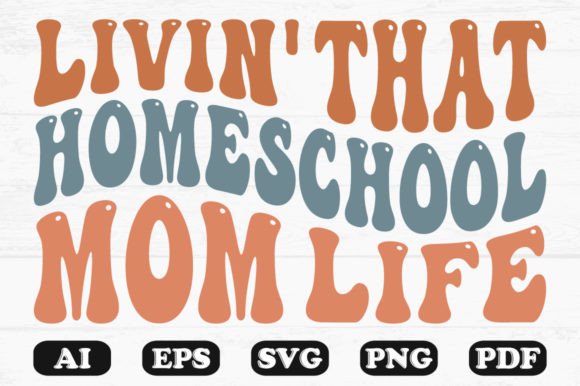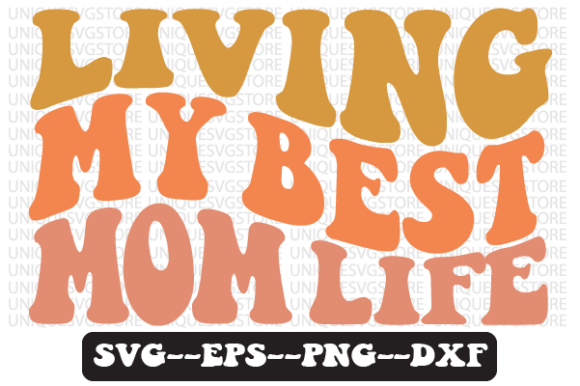
Living My Best Mom Life Retro SVG: A Stitch Test
As a professional embroidery digitizer and product reviewer, I approach every new graphic with a specific question: will this actually stitch out well on fabric? When evaluating the Living My Best Mom Life Retro Svg Design, my first impression is one of nostalgic warmth. The wavy, retro typography immediately signals a vintage aesthetic that is currently dominating the handmade market. However, translating a vector graphic intended for sublimation into a tangible machine embroidery design requires a critical eye for structure, density, and fabric interaction. This review breaks down how this specific embroidery file performs when moved from screen to hoop, specifically for makers creating real-world products.
First Impressions and Visual Personality
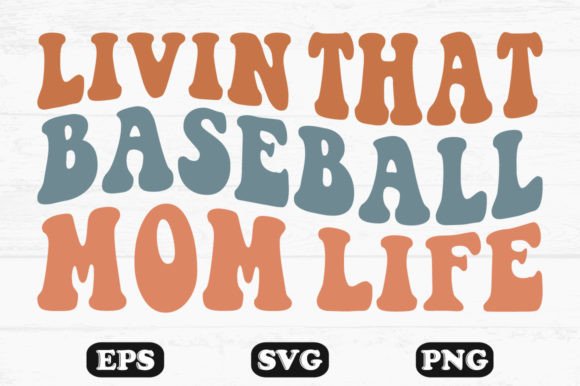
The design features groovy, undulating lettering that embodies the 70s revival trend. Visually, it feels playful yet confident, making it an ideal candidate for custom apparel and lifestyle accessories. The layout is balanced, which is crucial for centering in a hoop without excessive repositioning. For an Etsy seller or boutique owner, this visual personality suggests high engagement potential because it taps into current trends while remaining timeless enough for repeat customers. As a digital asset, the included SVG, EPS, and DXF files provide excellent versatility. While these are vector formats primarily marketed for sublimation and vinyl, they serve as perfect tracing templates for manual digitizing or auto-digitizing software adjustments needed to create a viable digital embroidery file.
Real-World Application: The Sweatshirt Test
To truly evaluate this design, I mentally placed it in a real production scenario: stitching a custom crewneck sweatshirt for a Mother’s Day pop-up shop. Sweatshirts are a staple for craft business owners, but their fleece backing and stretchy knit face present challenges. The Living My Best Mom Life Retro Svg Design has bold, thick lines that translate beautifully to satin stitch columns. In this scenario, the width of the lettering allows for adequate underlay, preventing the stitches from sinking into the fleece pile.
However, the "wavy" nature of the text means the baseline is not straight. When hooping a sweatshirt, you must ensure the garment grain aligns perfectly with the design's natural curve. If the shirt shifts during stitching, the retro wave will look distorted rather than intentional. For this project, I would recommend using a cut-away stabilizer to maintain the integrity of the knit fabric. The result is a premium handmade product that feels substantial to the touch and looks professionally finished, justifying a higher price point than a standard printed tee.
Navigating Fabric Limitations and Hoop Sizes
Not every fabric is a friend to retro typography. While this design shines on stable knits and cotton canvas, it demands caution on textured surfaces like terry cloth towels or uneven linens. The intricate curves of the Living My Best Mom Life Retro Svg Design can get lost if the fabric texture is too aggressive. If you plan to use this for kitchen towels or nursery decor, consider adding a water-soluble topping to keep the stitches crisp and visible.
Hoop size selection is another critical factor. Because the design is horizontally oriented with flowing script, it often requires a wider field than standard 4x4 hoops allow. Before purchasing or digitizing, verify your machine’s maximum stitch area. Trying to shrink this design to fit a smaller hoop may compromise the stitch density and legibility of the thinner connecting strokes. Conversely, stretching it too large for a cap or pocket placement could cause registration issues where the fill stitch areas pull away from the outlines. Always measure your physical application area before committing to the final size.
Technical Considerations for Commercial Use
For those selling finished goods, consistency is key to building customer trust. The Living My Best Mom Life Retro Svg Design offers strong brand recognition due to its distinct style, but technical execution defines quality. When converting this vector art for embroidery, pay close attention to the jump stitches between the wavy letters. Excessive jumps require more trimming time and increase the risk of loose threads on the back of a tote bag design or baby item. Optimizing the stitch path during the digitizing phase ensures a cleaner backside, which is especially important for baby embroidery projects where skin sensitivity matters.
Additionally, consider thread colors carefully. Retro designs often rely on high contrast or specific color palettes (mustard, rust, sage) to achieve their mood. Test your color combinations on scrap fabric first. A dark thread on a dark navy sweatshirt might look moody and cool in a printable mockup, but fail to read clearly in person. Lighting affects perception, and what works for a digital preview might need adjustment for physical retail display.
Versatility Across Product Categories
Beyond apparel, this design adapts well to various Crafts and merchandise. I can envision it as a centerpiece for a personalized gift set, perhaps paired with a matching mug or pillow cover. The bold geometry makes it suitable for embroidered patch creation, where dense satin borders define the shape against felt or twill. For holiday embroidery, simply changing the thread palette transforms the vibe from everyday mom life to festive seasonal wear without altering the digitization.
For digital product sellers offering this as part of a bundle, transparency is vital. Clearly state that the provided files are vectors suitable for sublimation and tracing, and advise buyers that they may need to digitize or purchase a pre-digitized version specifically for embroidery machines. This manages expectations and reduces support tickets regarding file compatibility. Understanding the distinction between Graphics for print and files for stitch is essential for maintaining professionalism in the maker community.
Designer Notes for Success
Before launching this design in your shop or gifting a finished piece, adhere to these practical checkpoints:
- Test Stitch First: Never run a new design on a final product without a test sew-out. Check for gaps, puckering, or thread breaks.
- Verify Licensing: Confirm whether your purchase includes commercial rights for both physical products and digital modifications. Protect your business by respecting intellectual property.
- Check Density: Ensure the design isn't too dense for lightweight fabrics or too sparse for heavy outerwear. Adjust underlay accordingly.
- Mockup vs. Reality: Use black and white mockups to check contrast independent of color bias. If it reads well in grayscale, the structure is sound.
- Stabilizer Matching: Pair tear-away stabilizers with stable wovens and cut-aways with stretchy knits. The wrong choice ruins even the best digitization.
- Detail Inspection: Zoom in on the smallest curves. If they are thinner than 1mm, they may need to be converted to running stitches or removed entirely to prevent needle damage.
The Living My Best Mom Life Retro Svg Design holds immense potential for makers who understand the translation from pixel to stitch. It captures a cultural moment that resonates with mothers and creators alike. By approaching this file with technical respect and practical testing, you elevate it from a simple download to a cornerstone of a successful small shop product line. Whether you are crafting a single personalized gift or stocking an Etsy store for the busy season, let your craftsmanship honor the design's retro spirit. Happy stitching!