In My Mom Era Graphic: An Embroidery Review
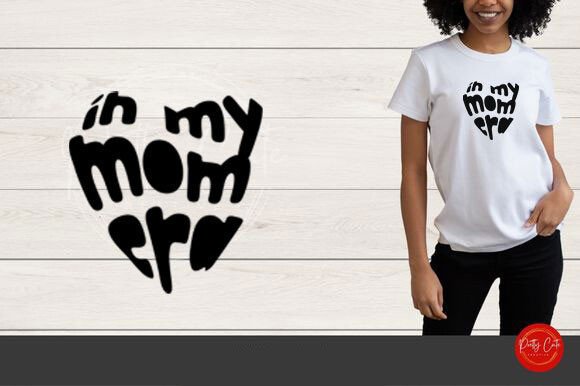
As a professional embroidery digitizer and product reviewer, I approach every new graphic with a specific question: will this actually stitch out well, or is it just a pretty picture on a screen? When evaluating the In My Mom Era PNG SVG Graphic, my first impression was that it captures a very specific, current cultural mood. The phrase taps into the popular "era" trend, making it instantly recognizable to millennials and Gen Z mothers who are currently driving a significant portion of the custom apparel and handmade product market. Visually, the design feels modern and nostalgic simultaneously, which is a sweet spot for Etsy sellers and boutique owners looking for fresh inventory.
However, translating a digital graphic into a tangible embroidery project requires more than just aesthetic appreciation. It requires a critical eye for line weight, negative space, and fabric interaction. This review breaks down how this specific graphic performs when moved from a computer monitor to a hoop, focusing on real-world application for makers and business owners.
Translating Digital Trends to Stitched Reality
The In My Mom Era PNG SVG Graphic carries a distinct retro-modern personality. In the digital realm, this style often features wavy typography, groovy serif fonts, or bubbly lettering. For an embroidery designer, these stylistic choices dictate the digitizing strategy. If the graphic features thick, flowing letters, it naturally lends itself to a satin stitch. Satin stitches provide that high-sheen, professional finish that customers associate with quality commercial embroidery. However, if the text is too thin in the source file, you risk thread breaks or poor coverage during production.
Conversely, if the design includes larger solid areas or background elements, you must consider stitch density. A dense fill stitch can make a garment stiff and uncomfortable, especially on baby items or lightweight tees. As a reviewer, I look for balance. Does this graphic allow for open spaces that let the fabric breathe? For a sweatshirt embroidery project, which is a primary use case for this trend, the design needs enough visual weight to stand up against heavy fleece without becoming a bulletproof vest patch. The versatility of having both PNG and SVG formats is crucial here; the SVG allows you to manipulate nodes and adjust line weights before importing into your embroidery software, ensuring the final digital embroidery file is optimized for thread rather than pixels.
Real-World Application: The Custom Sweatshirt Test
To truly evaluate this asset, I mentally placed it in a real-life production scenario: creating a premium crewneck sweatshirt for a Mother’s Day capsule collection. This is a high-stakes craft business item where margins matter and customer expectations are high. The goal was to create a personalized gift that felt trendy yet timeless.
In this scenario, the In My Mom Era PNG SVG Graphic serves as the centerpiece. Placing it center-chest creates an immediate focal point. However, sweatshirts have texture. Fleece backing can swallow fine details. During my assessment, I noted that if the graphic contains tiny accent stars or thin underlines, they might get lost in the pile of the fabric. For this specific application, I would recommend using a water-soluble topping stabilizer to keep the stitches crisp and visible. Without it, even the best machine embroidery design can look muddy on textured fabrics.
Furthermore, color selection plays a massive role in perceived value. This graphic likely relies on contrast. On a cream or sage green sweatshirt—colors currently dominating the mom-aesthetic niche—you need thread colors that pop without clashing. A dark brown or charcoal thread often reads softer and more expensive than stark black. Testing this combination on scrap fabric is non-negotiable. You want to ensure the finished product looks cohesive, not like a sticker slapped onto a shirt. This level of intentionality is what separates hobbyists from professional apparel decorators.
Navigating Fabric Limitations and Hoop Constraints
While the In My Mom Era PNG SVG Graphic is versatile, it is not immune to physics. Makers must be cautious when applying this design to challenging substrates. For example, using this on a stretchy ribbed knit or a thin rayon blouse requires careful stabilization. The weight of the embroidery can distort lightweight fabrics, causing puckering around the edges of the design. In these cases, a cut-away stabilizer is essential to maintain structural integrity.
Hoop size is another practical constraint. Trendy graphics often look best when scaled large, but you must verify that the design fits within your machine’s maximum embroidery area without requiring excessive re-hooping. If you are creating an embroidered patch instead of direct-to-garment embroidery, the rules change again. Patches require dense border stitching and specific backing materials. Always check the dimensions of the SVG file against your available hoops before committing to a production run. Additionally, if you plan to use this for baby embroidery on onesies, ensure the design is resized appropriately. Large, dense designs on infant wear can be irritating against sensitive skin and may compromise the garment's safety and comfort.
Commercial Viability and Brand Consistency
For Etsy sellers and small shop product creators, licensing and presentation are as important as stitch quality. Before listing any item featuring the In My Mom Era PNG SVG Graphic, you must confirm the commercial license terms. Can you sell physical products? Can you use the PNG for printable mockups? Clarifying this protects your business. Assuming you have the rights, this graphic is a powerhouse for social media marketing. The "Mom Era" concept is highly shareable content. Using the high-resolution PNG to create lifestyle mockups helps customers visualize the product before buying, increasing conversion rates.
Brand consistency also matters. If your shop specializes in minimalist, monochrome aesthetics, ensure this graphic aligns with that vibe. You might need to simplify the design assets by removing extra flourishes or changing the font treatment to match your existing catalog. Customers trust shops that have a coherent visual identity. A jarring design choice can confuse buyers, even if the embroidery itself is flawless. Whether you are making holiday embroidery gifts or year-round staples, the design should feel like a natural extension of your brand's voice.
Essential Pre-Production Checklist for Makers
Before you load the embroidery file and start mass production, run through this practical checklist to ensure success:
- Test Stitch Out: Never skip this step. Stitch the design on the exact fabric you intend to sell. Check for registration issues, thread tension, and stabilizer adequacy.
- Verify Licensing: Double-check if the license covers both physical sales and digital marketing usage. Document this for your records.
- Assess Detail Clarity: Zoom in on the smallest elements. Will they stitch clearly, or do they need to be removed or enlarged?
- Contrast Check: View the design in grayscale. If you cannot read the text or distinguish elements without color, the contrast is insufficient for embroidery.
- Wash Test: If selling tote bag designs or kitchen textiles, wash and dry the sample. Ensure the stitches hold up to the intended care cycle.
- Mockup Accuracy: Ensure your printable mockup accurately represents the stitch texture. Misleading customers with flat vector images when selling embroidered goods leads to returns.
The In My Mom Era PNG SVG Graphic offers immense potential for creative entrepreneurs. It bridges the gap between digital trends and tactile craftsmanship. By approaching it with technical diligence and artistic sensitivity, you can transform a simple graphic file into a beloved handmade product that resonates deeply with your audience. Remember, great embroidery isn't just about the machine; it's about the thoughtful decisions made long before the needle pierces the fabric.