I'm a Baseball Mom SVG: An Embroidery Review
As a designer who spends more time behind an embroidery machine than a computer screen, I approach every new digital asset with a healthy dose of skepticism. When evaluating the I m a Baseball Mom We Don t Svg Cut File, my first thought isn't about how it looks as a vector graphic, but how it will translate into thread on fabric. This design falls squarely into the Crafts and Graphics category, but for us makers, its true value lies in its stitchability. After reviewing the file structure and visual layout, I can see this becoming a staple for spring and summer custom apparel, provided you understand its strengths and limitations before hooping your first garment.
First Impressions and Design Personality
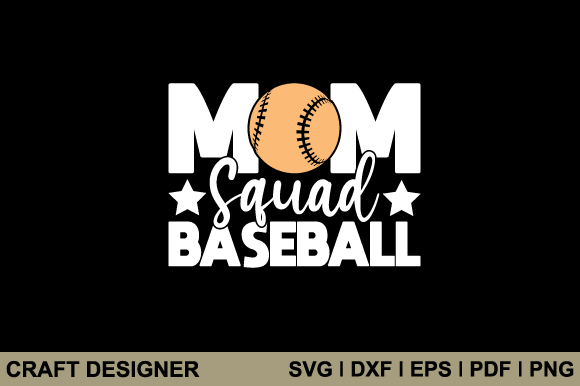
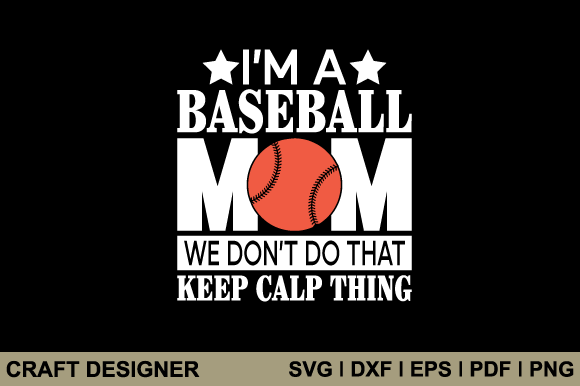
The immediate mood of this design is bold, spirited, and unapologetically loud. It captures that specific blend of pride and exhaustion that defines baseball season. Visually, the typography appears designed for high-contrast visibility, which is excellent for sideline wear. However, as an embroidery file, bold text often translates to dense satin stitches or heavy fill areas. The layout suggests a centered chest placement or a large back design rather than a subtle cuff logo. For a handmade product, this personality works best when the stitching matches the energy of the phrase. If you are an Etsy seller or small shop owner, this design signals to buyers that you understand their niche lifestyle, but only if the execution feels professional rather than homemade.
Real-World Application: The Custom Sweatshirt Test
To truly evaluate this asset, I mentally placed it in a real-life scenario: creating a custom embroidered sweatshirt for a team mom gift. Sweatshirts are the gold standard for this type of personalized gift because they offer a stable canvas for heavier designs. In this context, the I m a Baseball Mom We Don t Svg Cut File serves as an excellent foundation. Because the download includes SVG, DXF, EPS, PDF, and PNG formats, you have flexibility. While these are primarily cut files, the vector lines (SVG/EPS) provide the perfect roadmap for digitizing a clean machine embroidery design if you are converting it yourself, or for using as a precise template if purchasing a pre-digitized version.
For this sweatshirt project, I would envision the text in a classic varsity block font. The challenge here is maintaining legibility without creating a bulletproof vest effect on the chest. If utilizing this as an applique design, the bold shapes allow for easy trimming and secure tack-down stitches. If stitching it out entirely, managing stitch density becomes paramount to prevent puckering on fleece. A finished product like this needs to withstand washing and wearing; therefore, the design must be balanced so it doesn't distort the garment's drape. Customers love the sentiment, but they return items that feel stiff or look warped after one laundry cycle.
Navigating Fabric Challenges and Hoop Sizes
While this design shines on stable knits, it requires careful handling on other substrates. I would advise extreme caution when attempting this on stretchy performance fabrics or thin baby clothes. The phrase "We Don't" implies a punchy, declarative statement that likely requires substantial stitch coverage. On lightweight jersey or moisture-wicking athletic wear, this density can cause tunneling or tearing unless you use significant stabilizer and potentially a water-soluble topping.
Hoop size is another critical consideration. This is not a 4x4 hoop-friendly design in its entirety without significant modification. You will likely need a 5x7 or larger hoop to maintain the integrity of the lettering spacing. Attempting to shrink this down for a baby bib or cap front risks losing the definition of internal counters in letters like 'B', 'A', and 'O'. For caps specifically, the horizontal span might exceed the safe stitching area near the bill seam. Always measure your physical hoop capacity against the design dimensions before committing to a commercial embroidery run. If you are making tote bags, the canvas texture usually forgives higher density, making it a safer bet for beginners testing this file.
Visual Appeal and Commercial Viability
From a business perspective, the I m a Baseball Mom We Don t Svg Cut File offers strong potential for seasonal revenue. Sports mom gear is an evergreen niche within the crafts community. However, buyer engagement depends heavily on presentation. When creating printable mockups or listing photos, ensure the digital preview accurately represents the stitched texture. Do not simply overlay the flat PNG onto a shirt photo; customers can tell the difference between ink and thread. Showcasing the actual stitch-out builds trust and justifies a higher price point for custom apparel.
Brand consistency matters here. If your shop specializes in delicate, vintage aesthetics, this bold graphic might clash with your existing portfolio. Conversely, if you focus on modern, trendy sports gear, this fits perfectly. Consider how this pairs with other design assets in your collection. Does it match the fonts used in your player name personalizations? Cohesion across your product line increases perceived professionalism. For craft fair products, having this design ready in multiple colorways allows for quick customization on-site, turning a generic stock item into a personalized gift in minutes.
Essential Designer Notes for Success
Before you sell or stitch, adhere to these practical guidelines to ensure quality:
- Test Stitch First: Never run this design on a final product without a test sew-out on similar scrap fabric. Check for registration issues between letter groups.
- Verify Licensing: The product description lists file formats but does not explicitly state commercial usage rights for embroidery. Confirm whether you can sell finished products or if this is for personal use only before listing on Etsy.
- Stabilizer Strategy: For sweatshirts, use medium-weight cutaway stabilizer. For tote bags, tear-away may suffice. Avoid hoop burn by floating the fabric when possible or using adhesive spray sparingly.
- Thread Color Contrast: Test black and white mockups, but also test actual thread colors against the garment. White thread on cream fleece disappears; navy on black lacks pop. High contrast ensures readability from the bleachers.
- Check Small Details: Inspect the vector nodes. Sharp corners in digital files can sometimes translate to jagged stitches. Smooth out any rough points in your embroidery software before stitching.
- Format Awareness: Remember that you receive a .zip folder containing SVG, DXF, EPS, PDF, and PNG. These are vector and raster graphics, not native embroidery files like .PES or .DST. You must either digitize them yourself or use them as guides for a pre-digitized embroidery file.
Final Thoughts on Production Value
The I m a Baseball Mom We Don t Svg Cut File is a versatile starting point for any apparel decorator or creative entrepreneur targeting the youth sports market. Its bold nature demands respect during the production process; it is not a design you can rush. By paying attention to fabric stability, hoop sizing, and proper digitizing techniques, you can transform this digital graphic into a premium embroidered patch or sweatshirt that moms will actually want to wear. Whether you are crafting for your own team or building inventory for a boutique, treating this file with technical precision ensures the final result honors both the design intent and the wearer's passion for the game.