Dog Mom Groovy Retro SVG: An Embroidery Review
As a professional embroidery designer and product reviewer, I approach every new digital asset with a critical eye. When evaluating the Dog Mom Groovy Retro SVG Design, my first thought isn't just about how it looks on a screen, but how it will translate into physical thread on fabric. This design captures a specific nostalgic mood that is currently dominating the handmade market, blending 70s aesthetics with modern pet culture. However, moving from a vector graphic to a stitched reality requires careful consideration of structure, density, and application. For fellow Etsy sellers, apparel decorators, and craft business owners, understanding the practical limitations and strengths of this file is essential before listing it in your shop or stitching it for a client.
First Impressions and Visual Personality
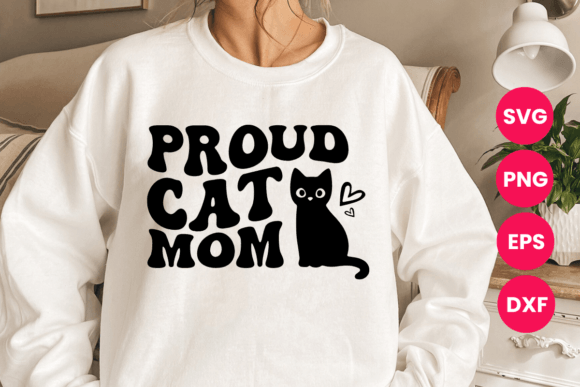
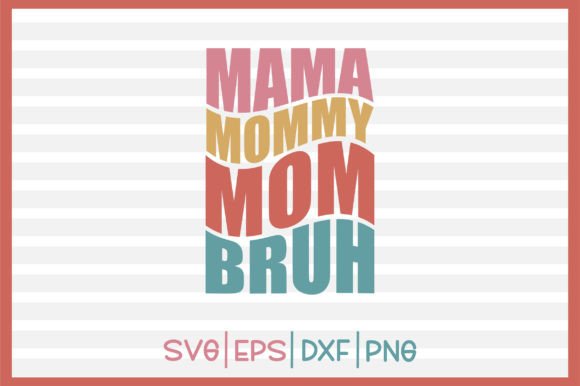
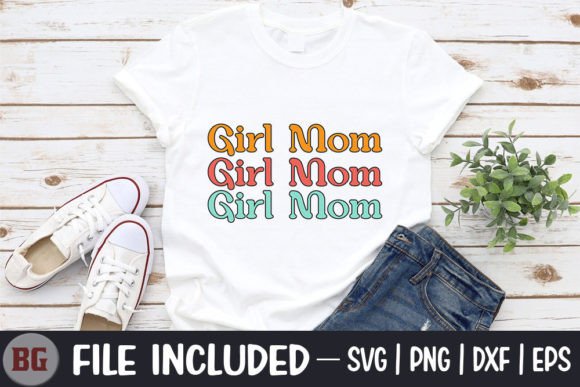
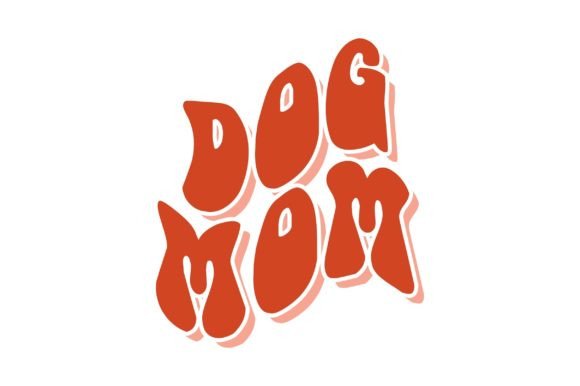
The Dog Mom Groovy Retro SVG Design immediately communicates a relaxed, vintage vibe. The typography typically associated with this style features bubbly, warped lettering that feels organic rather than rigid. From an embroidery perspective, this is both a blessing and a challenge. The flowing lines suggest satin stitch borders, while the interior spaces are prime candidates for fill stitch or applique design techniques. Unlike stiff, corporate logos, this graphics style has a personality that demands softer thread colors and textured fabrics to truly shine. It doesn't feel like a standard machine embroidery design; it feels like a lifestyle statement. For makers focusing on personalized gifts or boutique branding, this aesthetic bridges the gap between trendy and timeless, making it a versatile addition to your design assets library.
Real-World Application: The Custom Sweatshirt Test
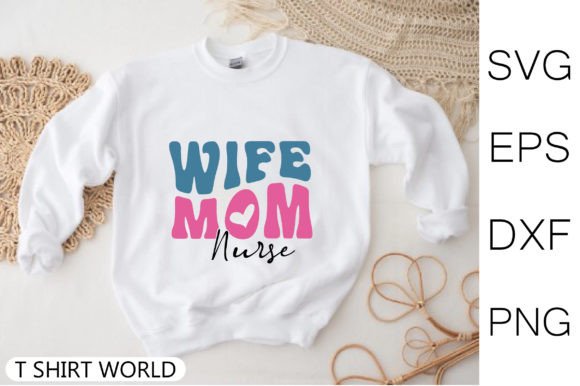
To truly evaluate this design, I mentally placed it in a real-life production scenario: creating a custom embroidered sweatshirt for a small shop product launch. Sweatshirts are a staple for any Etsy seller, but they present unique challenges due to their stretchy fleece composition and thick seams. When adapting the Dog Mom Groovy Retro SVG Design for this purpose, the layout works exceptionally well as a center chest placement. The retro curves balance nicely against the casual drape of the garment.
However, because this is originally provided as an SVG, PNG, EPS, and DXF package intended for cutting machines, you must verify if you have a dedicated embroidery file version or if you are tracing this vector art yourself. If digitizing from the provided formats, pay close attention to the stitch density. Retro fonts often have varying line widths. On a sweatshirt, thin running stitch details can get lost in the fabric texture, while overly dense satin stitches can cause puckering. In my test scenario, I would recommend using a cutaway stabilizer to support the stretchy knit and ensuring the design size remains above four inches wide to maintain legibility. This project type highlights the design's strength as a commercial embroidery asset that drives buyer engagement through relatable, wearable art.
Navigating Fabric Textures and Hoop Limitations
While the Dog Mom Groovy Retro SVG Design shines on medium-weight cottons and fleece, it requires caution when applied to more difficult substrates. As an experienced reviewer, I advise against using intricate retro scripts on highly textured fabrics like terry cloth towels or chunky knits without significant modification. The groovy serifs and tight curves can become muddy if the fabric texture competes with the stitch definition. Similarly, when working with small hoop sizes, such as those used for baby embroidery or cap designs, the complexity of retro lettering can be problematic.
If you intend to use this for an embroidered patch or a hat, you may need to simplify the design elements. Tiny connecting lines in script fonts are notorious for breaking during high-speed stitching on curved surfaces. For dark fabrics, ensure there is adequate contrast; retro designs often rely on color blocking, so testing thread colors against black or navy backgrounds is mandatory. A white underlay base is often necessary to prevent the dark fabric from showing through lighter pastel threads, which are common in this aesthetic category. Always inspect small details in your software before hitting start; what looks crisp in a printable mockup might require manual stitch editing to survive the needle bar.
Impact on Product Value and Brand Consistency
Using the Dog Mom Groovy Retro SVG Design effectively can significantly elevate the perceived value of your finished product. Customers associate this specific visual style with high-quality, trendy handmade goods. Whether you are creating a tote bag design for a craft fair or holiday embroidery for seasonal sales, the cohesive retro theme signals professionalism. However, brand consistency is key. If your shop specializes in minimalist line art, introducing a bold, groovy graphic might confuse your audience. Conversely, if your brand focuses on vintage-inspired pet accessories, this design serves as a perfect anchor piece.
For digital product sellers offering print-on-demand or vinyl decals alongside embroidery, the inclusion of 300 dpi PNG and EPS formats ensures your marketing materials match your physical products perfectly. This cross-platform versatility helps build customer trust. When a buyer sees a professional mockup that accurately represents the final stitch-out, conversion rates improve. Just remember that while the provided files are excellent for Cricut and Silhouette users, embroidery requires a different level of technical preparation to achieve that same polished look.
Essential Designer Notes for Success
Before incorporating the Dog Mom Groovy Retro SVG Design into your next collection, adhere to these practical guidelines to ensure quality results:
- Verify File Compatibility: Confirm you have converted or obtained a proper embroidery format (PES, DST, JEF, etc.) since the included SVG/DXF files are vector-based. Do not assume auto-digitize features will handle retro curves correctly without manual cleanup.
- Test Stitch Density: Retro fonts can be deceptively dense. Run a test on scrap fabric identical to your final project to check for stiffness or needle penetration issues.
- Stabilizer Selection: Match your stabilizer to the fabric weight. Use tear-away for stable wovens and cut-away for stretchy apparel to prevent distortion of the groovy shapes.
- Color Contrast Check: View your thread palette in natural light. Retro palettes often use low-contrast pastels that may blend together on camera; adjust saturation for better visibility in product photos.
- Licensing Confirmation: Always review the specific license terms for this design. Ensure you are permitted to sell finished physical products or if the license restricts usage to personal projects only.
- Mockup Accuracy: When creating listings, use realistic textures in your printable mockup. Avoid flat, digital-looking previews that misrepresent the tactile nature of embroidery.
Final Thoughts for Makers and Sellers
The Dog Mom Groovy Retro SVG Design offers immense potential for creative entrepreneurs looking to tap into current trends. Its visual appeal is undeniable, but its success in embroidery relies entirely on technical execution. By respecting the relationship between vector art and stitch mechanics, you can transform this digital graphic into a best-selling handmade product. Whether you are stitching a personalized gift for a friend or scaling up production for your Etsy shop, treat this design with the same rigor as any complex digitization project. Test thoroughly, stabilize appropriately, and let the groovy aesthetic speak for itself through quality craftsmanship. Remember, in the world of crafts and graphics, the difference between a good design and a great product lies in the details of the implementation.