Autism Mom SVG: A Designer’s Embroidery Review
As a professional embroidery designer and product reviewer, I approach every new digital asset with a critical eye. When evaluating the Autism Mom - Autism Awareness Svg., my primary concern is not just how the graphic looks on a screen, but how it translates into thread on fabric. For those of us in the Crafts industry, specifically within apparel decoration and personalized gifts, the bridge between a digital Graphics file and a tangible handmade product is where success or failure happens. This review breaks down the practical realities of using this design for real-world projects, from custom apparel to small shop merchandise.
First Impressions and Visual Personality
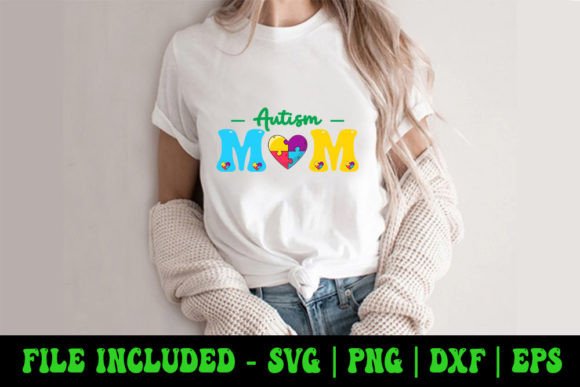
Upon opening the zip file, which includes SVG, PNG, EPS, and DXF formats, the immediate strength of this design is its emotional resonance. The layout typically associated with "Autism Mom" awareness graphics balances advocacy with affection. Visually, it carries a mood that is supportive and proud without being overly clinical. For an Etsy seller or boutique owner, this visual personality is crucial. It needs to feel authentic to the community it represents. The lines are generally clean, which is a positive indicator for digitizing, but as with any vector graphic intended for stitch, we must assess whether the shapes are optimized for needle penetration rather than just pixel display.
Real-World Application: The Sweatshirt Test
To truly evaluate this machine embroidery design, I mentally placed it in a specific production scenario: creating a custom crewneck sweatshirt for a client who wants a subtle yet meaningful statement piece for an upcoming autism awareness walk. Sweatshirts present unique challenges due to their fleece backing and stretchy knit structure. In this context, the Autism Mom - Autism Awareness Svg. serves as an excellent candidate for center-chest placement.
However, translating this SVG into an embroidery file requires strategic decision-making. If the design features intricate internal details, I would recommend converting smaller elements into running stitch outlines rather than dense fills to prevent the garment from becoming stiff. For the main text or symbolic shapes, a combination of satin stitch borders and light fill stitch interiors works best on fleece. This approach maintains the softness of the sweatshirt while ensuring the design remains legible from a distance. As a custom apparel project, this balance ensures the wearer feels comfortable, which is paramount for sensory-sensitive individuals or parents attending long events.
Navigating Fabric Variables and Hoop Sizes
Versatility is key for any craft business, but this design demands careful consideration regarding substrate choice. While it shines on stable cottons like tote bags or tea towels, you must exercise caution when applying it to performance wear or thin baby clothes. On lightweight fabrics, excessive stitch density can cause puckering or even tear the material. If you plan to use this for baby embroidery, I strongly advise simplifying the design or reducing the size significantly to avoid creating a heavy, uncomfortable patch on delicate garments.
Furthermore, consider your hoop size limitations. Complex awareness designs often span multiple inches. If you are working with a 4x4 hoop, you may need to split the design or resize it, which can alter the aspect ratio and legibility. Always verify the dimensions in your software before stitching. For larger items like blankets or pillow covers, ensure you have adequate stabilization. Using a cut-away stabilizer is non-negotiable for stretchy knits to prevent distortion during the stitching process and washing.
Commercial Viability and Product Value
For small shop product lines and commercial embroidery ventures, this design holds significant value because of its niche specificity. Customers seeking autism awareness items are often looking for validation and community connection. A well-executed stitch-out of this design signals professionalism and empathy. However, poor execution—such as jagged satin columns or misaligned registration points—can damage trust instantly. The clarity of the stitching directly correlates to perceived product value.
When listing finished items online, utilize the included PNG format to create high-quality printable mockup previews. This allows potential buyers to visualize the final result before purchasing. Just remember to clarify in your listings that the mockup is a digital representation and actual thread colors may vary. This transparency builds buyer engagement and reduces return rates. Whether you are selling digital embroidery file conversions or physical goods, maintaining brand consistency through precise stitching reinforces your reputation as a reliable maker.
Critical Designer Notes for Success
Before you commit this Autism Mom - Autism Awareness Svg. to a final product, adhere to these professional protocols:
- Test Stitching is Mandatory: Never run this design on a final garment without a test sew-out on similar scrap fabric. Check for thread breaks, tension issues, and overall stability.
- Verify Licensing: The product description notes file formats but does not explicitly detail commercial licensing terms. Before selling finished products or digital assets, confirm whether your purchase includes commercial rights for embroidery.
- Thread Color Contrast: Awareness designs rely heavily on specific color palettes. Test your thread colors against both light and dark fabric backgrounds. What pops on white might disappear on navy blue. Adjust underlay stitches if necessary to provide a solid base on dark fabrics.
- Check Small Details: If the SVG contains tiny text or intricate puzzle pieces, inspect them closely in your digitizing software. These areas may require manual adjustment to prevent needle breaks or illegible stitching.
- Stabilizer Selection: Match your stabilizer to the fabric weight. Use tear-away for stable woven fabrics and cut-away for knits and stretchy materials to ensure longevity after washing.
- Mockup Accuracy: When using the PNG for marketing, ensure it accurately reflects the stitch texture. Avoid overly glossy digital renders that set unrealistic expectations for the physical finished product.
Final Thoughts on Production Readiness
The Autism Mom - Autism Awareness Svg. offers a strong foundation for meaningful embroidery projects, provided it is treated with technical respect. It is more than just a graphic; it is a vessel for personal expression and advocacy. By paying attention to stitch density, fabric compatibility, and proper stabilization, you can transform this digital file into a cherished personalized gift or a best-selling inventory item. Remember that in our field, the quality of the stitch speaks louder than the complexity of the design. Take the time to refine your settings, respect the medium, and your results will honor both the craft and the cause.